
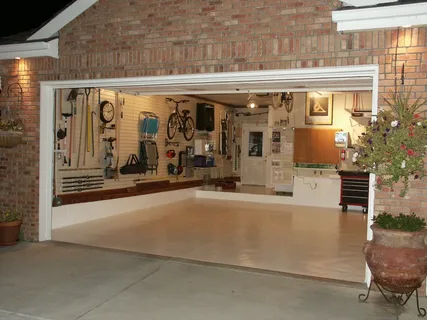
Ask someone about smart-home upgrades and you’ll hear about voice assistants, mesh Wi-Fi, maybe a new thermostat. The garage door almost never comes up. That’s strange, because it’s the largest moving object in most houses, a second front door for burglars, and one of the few pieces of home hardware that can seriously hurt someone if it fails.
So why does it get ignored until it breaks?
The Hardware Is Heavier and More Dangerous Than It Looks
A residential garage door can weigh several hundred pounds, and the spring system is the only thing holding that weight in check. When a spring lets go, physics wins. One legal analysis notes that when a torsion spring breaks with the door closed, the panel can come crashing down with the full force of 200 to 300 pounds. The same source estimates 20,000 to 30,000 garage door injuries in the U.S. every year.
Modern doors are safer than older models thanks to the auto-reverse sensors mandated in the 1990s. But sensors drift out of alignment, springs fatigue, rollers wear down. Safety isn’t a one-time install. It’s a maintenance habit.
Springs Have a Countdown Clock Most Homeowners Don’t Track
Every time the door goes up and down, that’s one cycle. According to Precision Door, the average garage door spring is rated for about 10,000 cycles, which works out to roughly 7 to 10 years of normal residential use. Use the garage as your main entrance and you’ll burn through that budget much faster.
Here’s the catch: springs don’t warn you. They work, then one day they don’t. Tracking cycles or dropping a reminder on your calendar is a tiny habit that saves a big headache.
The Small Maintenance Tasks That Actually Matter
You don’t need to be a technician to keep a door healthy. A short seasonal checklist covers most of what goes wrong:
- Lubricate the moving parts. Hinges, rollers, and springs need a light coat of silicone or lithium grease every few months so metal isn’t grinding on metal.
- Test the auto-reverse. Place a roll of paper towels under the door and close it. If the door doesn’t reverse on contact, the sensors or force settings need service now, not later.
- Watch and listen. Grinding, popping, or a door that hitches on the way up usually means a roller or bearing is failing. Small noises turn into expensive repairs when ignored.
- Check the weather seal. A cracked bottom seal lets in water, pests, and energy loss, and it’s one of the cheapest parts to replace.
For anything involving the spring itself, call a pro. That component is not a DIY project, no matter how many videos say otherwise. Homeowners in humid climates especially benefit from a scheduled tune-up, which is where services like Ohana’s garage door maintenance come in handy for annual inspections.
Treat the Garage Door Like Part of Your Tech Stack
Newer openers connect to Wi-Fi, log activity, and ping you when the door has been open too long. That’s useful, but the software layer only works if the hardware underneath is healthy. A smart opener bolted to a worn spring and a misaligned track is still a failure waiting to happen.
Think of it the way you’d think of a server room. Firmware matters, but so do the physical parts nobody sees. Keep the mechanicals tuned and the smart features can do the job they were sold to do.

