
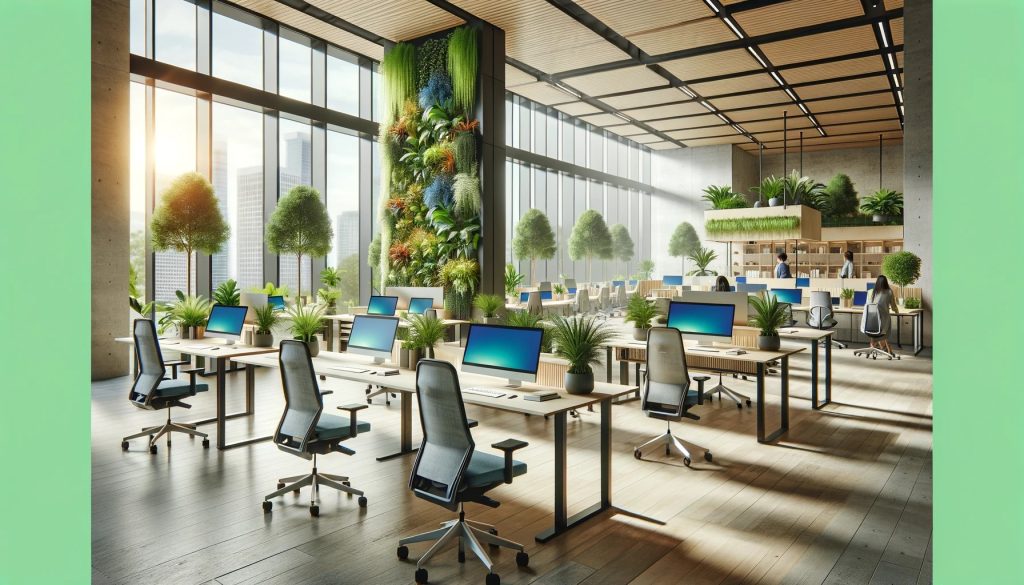
A clean, well-run building does more than look nice. It shapes how employees feel at their desks, how visitors judge a brand within seconds of walking in, and how safe everyone is when a spill, a clogged drain, or an overflowing bin shows up out of nowhere. In a world where hybrid work has made every office visit count, the small details of facility upkeep carry real weight.
Technology has changed almost every corner of the workplace, from booking a desk to monitoring air quality. Facility maintenance has quietly changed too, blending old-school elbow grease with sensors, scheduling apps, and on-site staff who handle issues the moment they appear.
Here’s a closer look at what modern, smart upkeep actually looks like, and why it’s becoming a competitive edge for offices, clinics, schools, and retail spaces.
Why clean buildings matter more than ever
Indoor environments shape health in ways most people don’t think about until something goes wrong. The U.S. Environmental Protection Agency notes that Americans spend roughly 90% of their time indoors, and that indoor pollutant levels can be higher than those outside, according to the EPA’s guidance on indoor air quality. That makes routine cleaning, dusting, and surface care a public-health question, not a cosmetic one.
There’s also the trust factor. A lobby with smudged glass, a restroom with no paper towels, or a breakroom sink piled with cups sends a message about how a company treats its people. Reliable upkeep keeps that message positive without anyone needing to think about it.
The shift from scheduled cleaning to real-time response
For decades, commercial cleaning meant a crew that arrived after hours, ran through a checklist, and left before sunrise. That model still has its place, but it can’t catch a coffee spill at 10 a.m. or restock toilet paper before the lunch rush. Modern facilities are layering a daytime presence on top of overnight work.
That daytime layer is often handled by a day porter, a trained staffer who circulates through the building during business hours. Companies like ClearPoint provide day porters who handle spills, touch up high-traffic restrooms, manage trash, and keep entryways spotless while the building is full. The result is a space that feels cared for at 2 p.m., not just at 7 a.m.
Tech that’s quietly upgrading facility work
Cleaning is no longer just mops and microfiber. Facility teams are pulling in tools that look a lot like the tech stacks used by IT and operations departments.
- Smart restroom sensors. Devices on soap dispensers, paper holders, and foot-traffic counters tell staff which restrooms need attention before a complaint comes in. No more guessing which floor is running low.
- Robotic floor scrubbers. Autonomous scrubbers now handle large retail and warehouse floors, freeing human staff for detail work. Brain Corp and similar platforms have pushed these machines into mainstream commercial use.
- Mobile work-order apps. Tenants and managers can flag a leak or a burned-out bulb from their phone, and the closest staffer gets a ping. Tickets close in minutes instead of days.
- Air-quality monitors. Small CO2 and particulate sensors help janitorial teams adjust cleaning schedules, ventilation, and filter changes based on real data rather than a fixed calendar.
What to look for in a maintenance partner
Hiring a facility services vendor isn’t only about price per square foot. A few things separate the partners that quietly make life easier from the ones that create headaches.
- Trained, vetted staff. Ask about background checks, OSHA training, and chemical-handling certification. The OSHA hazard communication standard sets the baseline for safe use of cleaning chemicals, and a good vendor will speak that language fluently.
- Clear scope and reporting. You should know exactly what gets done daily, weekly, and monthly, and you should see proof. Digital logs and photo check-ins beat a clipboard that nobody reads.
- Flexibility on hours. A 24/7 medical office and a 9-to-5 law firm need different schedules. Vendors that bend their model to fit yours are worth more than the cheapest bid.
- Green cleaning options. Low-VOC products and microfiber systems reduce chemical exposure for staff and tenants, and they often perform better on modern surfaces.
The hidden ROI of a tidy workplace
It’s easy to treat janitorial costs as a line item to trim. The smarter view is to ask what poor upkeep actually costs: sick days, slip-and-fall claims, lost tenants, and the slow drift of a workplace that nobody takes pride in. Those numbers rarely show up on a single invoice, but they add up.
Facilities that combine overnight janitorial work, daytime porter coverage, and a few well-chosen pieces of tech tend to spend less on emergency repairs and lose fewer hours to disruptions. They also tend to keep employees happier, which is its own quiet form of return on investment.
In a tight market for talent, a building that feels good to walk into is a perk that doesn’t appear in any benefits brochure but absolutely gets noticed.

