
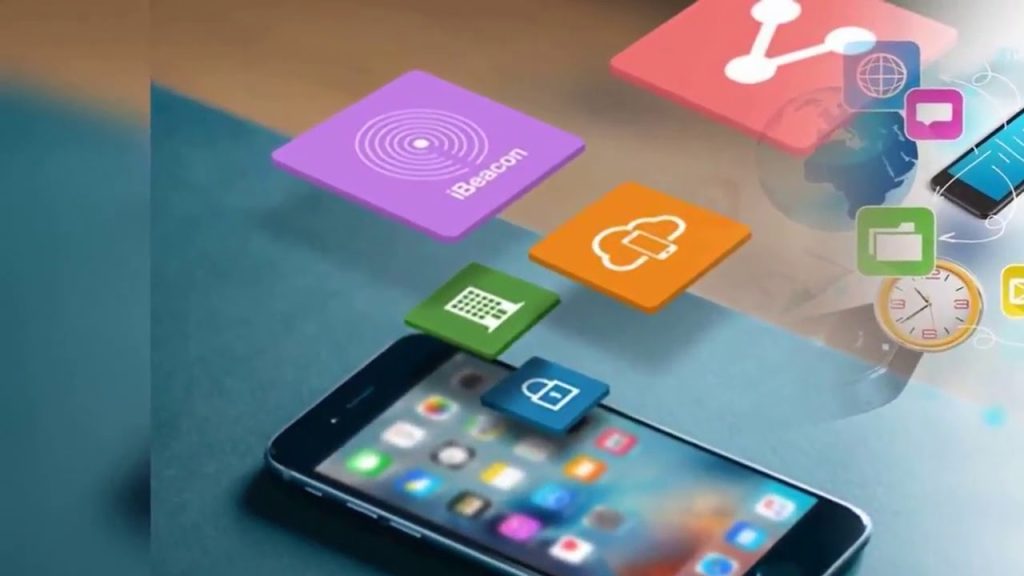
Smartphones have transformed from simple communication tools into highly personalised digital command centres. In Australia, where digital adoption is incredibly high, consumers are becoming extremely intentional about how they build their digital toolkits. Just as individuals carefully curate their devices with mobile apps that help you save on telecom costs to track data and manage travel budgets, they are applying that exact same level of scrutiny to their personal privacy. For everyday chats, standard text messages might suffice. However, for industries that handle highly sensitive client information, the shift towards encrypted mobile applications is no longer an option but a strict business requirement.
The integration of these privacy-focused applications represents a larger shift in consumer behaviour. Australians are taking more ownership of their digital footprints, demanding that the services they use respect their right to confidentiality. This demand is actively reshaping how local businesses manage reservations, client communications, and data storage.
The Hidden Risks of Standard Communication
Many consumers remain unaware of the massive digital footprints left behind by standard communication methods. Everyday SMS messages, unencrypted emails, and basic web scheduling tools often lack the security protocols necessary to protect personal data from interception or third-party tracking. When a message is sent over a traditional cellular network, it can be stored on telecom servers, intercepted by bad actors, or easily accessed if a device is compromised.
Government agencies have highlighted these vulnerabilities repeatedly in recent years. In fact, an official advisory from the Cybersecurity and Infrastructure Security Agency regarding privacy and mobile device apps warns that these tools frequently gather sensitive data, such as location history and daily contact habits, which is then regularly shared with third-party tracking companies. This level of exposure creates a direct privacy risk for individuals. When a person schedules a private consultation or books a discreet service, the last thing they want is for their personal information to end up in a data broker database. This harsh reality has forced niche industries to completely overhaul how they communicate with their clientele.
By relying on legacy communication systems, businesses inadvertently expose their clients to unnecessary risks. The modern consumer is much more educated about these vulnerabilities, meaning that a failure to upgrade communication protocols can result in a significant loss of business.
Why Specialised Services Prioritise Encryption
For many business sectors, confidentiality is the absolute cornerstone of their daily operations. A data leak or a compromised booking system could lead to severe reputational damage or a complete breach of client trust. This is exactly why secure, app-based communication has become the industry standard for highly sensitive local sectors.
Whether an individual is scheduling a private mental health therapy session, arranging a meeting with a high-stakes legal advisor, or securing a reservation at a licensed brothel in Perth, they expect absolute discretion. By moving these reservations to encrypted platforms like Signal, Telegram, or WeChat, businesses can guarantee that the details of the appointment remain exclusively between the service provider and the customer. These mobile platforms bypass traditional cellular networks, relying entirely on secure data connections to facilitate text, voice, and video communication without leaving a paper trail on a monthly phone bill.
Furthermore, encrypted applications allow businesses to streamline their customer service. Service providers can verify client identities securely, share location details privately, and confirm appointment times without generating a permanent, searchable record on the public web.
Key Features of Secure Mobile Booking Systems
When businesses transition to privacy-focused mobile applications, they must evaluate platforms based on strict cybersecurity criteria. Not all messaging applications are built equally, and niche industries must select tools that offer comprehensive protection for both themselves and their customers.
Here are the primary features businesses look for when selecting a secure communication platform:
- End-to-end encryption: This is the non-negotiable foundation of private communication. It guarantees that only the sender and the receiver have the cryptographic keys needed to unlock and read the messages, keeping data safe from internet service providers and the app developers themselves.
- Disappearing messages: Many secure platforms allow users to set a designated timer on their conversations. Once an appointment is completed, the digital record automatically deletes itself from both devices, leaving no residual data behind.
- Minimal metadata retention: Truly secure apps do not store background logs of who you spoke to, when you messaged them, or your active IP address.
- Biometric app locks: A reliable application offers an extra layer of physical security, requiring a fingerprint or facial recognition scan to open the app on the smartphone, protecting data even if the physical device is lost or stolen.
- Two-factor authentication: Adding a secondary verification step ensures that an unauthorised user cannot access a business account even if they manage to compromise a password.
The Future of Private Commerce in Australia
As public awareness around data privacy continues to grow, the demand for encrypted services will only accelerate. Australian consumers are becoming highly protective of their digital identities, demanding that local businesses step up their cybersecurity measures.
The transition from traditional phone calls and unencrypted text messages to specialised mobile applications represents a broader shift in consumer behaviour. Digital privacy is no longer viewed as a luxury reserved for tech enthusiasts. Instead, it is a baseline expectation for anyone engaging in modern commerce. Businesses that recognise this shift and actively integrate secure mobile apps into their daily operations will be the ones that earn and keep consumer trust in the years to come. Ultimately, the adoption of encrypted communication is a proactive step toward building a safer, more respectful digital economy.

