
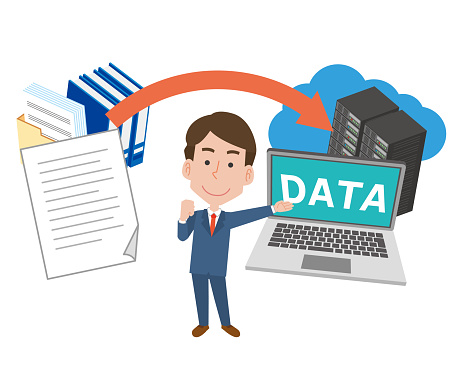
For decades, clinical research has struggled with one recurring issue: data entry. Piles of paper forms, handwritten corrections, and endless double-checks were part of everyday life for study coordinators. The arrival of Electronic Data Capture quietly changed that world.
This shift didn’t happen overnight. It wasn’t a loud revolution, but a gradual evolution that redefined how data is collected, verified, and shared. Electronic Data Capture, often shortened to EDC, made it possible for teams to record information directly in a digital environment. That change turned manual transcription into instant data validation and transformed trial management from reactive to proactive.
The biggest difference lies in timing. In a traditional paper-based setup, errors were often discovered weeks later, sometimes too late to correct easily. With EDC, data is validated the moment it’s entered. Built-in logic checks highlight inconsistencies before they become problems, and monitors can review updates remotely. This means cleaner data, fewer delays, and a clearer picture of study progress from day one.
The benefits aren’t just technical. When site teams use EDC effectively, they spend less time on repetitive administrative work and more time focusing on patients. In trials where real-time accuracy is essential, that can make a real difference to both safety and efficiency.
Still, the success of an Electronic Data Capture system depends on how well it fits into daily routines. Even the best platform fails if teams don’t trust it or aren’t trained properly. That’s why most successful research organizations treat EDC as more than a tool — they see it as part of the study culture. Good habits, such as consistent data entry and prompt query resolution, make the technology work as intended.
Sponsors and CROs also benefit from the transparency that EDC provides. Modern systems display study metrics through dashboards, showing exactly how data is progressing across all sites. This visibility helps managers spot potential issues early, assign resources efficiently, and prepare for audits without the usual scramble.
Another quiet advantage of EDC is how it improves collaboration. Instead of waiting for reports, everyone involved in the trial can access the same data, updated in real time. That reduces miscommunication and gives every stakeholder the same understanding of what’s happening.
Of course, no system is perfect. Some sites still struggle with connectivity, user adoption, or the learning curve that comes with new technology. But even then, the direction is clear: once a team experiences the clarity and control that Electronic Data Capture provides, it’s hard to imagine going back.
As the industry moves toward decentralized trials and remote monitoring, EDC has become the foundation that keeps everything connected. Patient data now flows from wearables, apps, and home visits directly into trial databases. Without a unified system to manage that flow, research would quickly become unmanageable.
In the end, the story of Electronic Data Capture isn’t about replacing people with technology. It’s about giving researchers the space to do what they do best — analyze, interpret, and care for patients — while the system quietly takes care of the rest.

