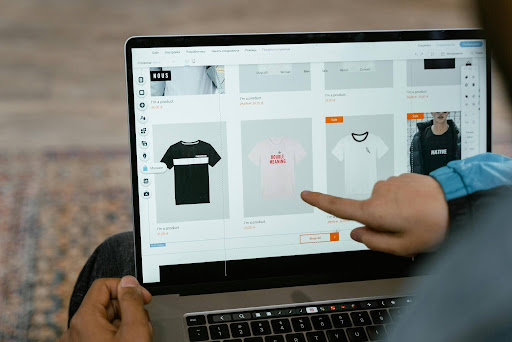
A website that only provides information is no longer enough in a competitive digital landscape. Today’s consumers expect websites to offer seamless purchasing opportunities, clear product access, and convenient checkout experiences. Turning a website into a revenue-generating store allows businesses to move from passive visibility to active sales.
An effective online store does more than list products. It guides visitors through a structured journey that encourages browsing, builds trust, and supports confident purchasing decisions. Understanding how to strategically transform a website into a sales-driven platform helps businesses unlock new income streams while meeting modern customer expectations.
Shifting From Informational to Transactional Design
Many business websites begin as informational tools meant to describe services or showcase offerings. While this approach builds awareness, it does not fully capitalize on sales opportunities. A revenue-generating store requires a transactional mindset built into the design.
This shift involves rethinking layout, navigation, and calls to action. Pages should guide visitors toward purchasing rather than simply scrolling. Clear pathways from discovery to checkout are essential for converting interest into revenue.
Creating Clear Product Presentation
Product presentation plays a critical role in driving online sales. Customers need to clearly understand what is being offered, how it benefits them, and what makes it valuable. Well-written descriptions and organized layouts reduce uncertainty. Clarity removes hesitation. When customers can quickly comprehend options and pricing, decision making becomes easier. Clear presentation supports confidence and encourages follow-through.
Simplifying the Purchasing Process
Complex checkout processes are one of the most common barriers to online sales. Each unnecessary step increases the likelihood of abandoned carts. A revenue-focused website prioritizes simplicity from product selection to order confirmation.
Streamlined forms, straightforward payment options, and intuitive navigation all support smoother transactions. When purchasing feels effortless, customers are more likely to complete their orders. Simplicity directly supports higher conversion rates.
Optimizing User Experience for Sales
User experience influences how long visitors stay on a website and whether they convert. Fast load times, mobile responsiveness, and logical structure all contribute to a smooth experience. When a site is easy to use, visitors feel comfortable moving forward.
A positive experience reduces friction during the buying process. Customers are less distracted by technical issues and more focused on products. Strong user experience is a foundation for consistent revenue generation.
Building Trust Through Transparency
Trust is essential for online transactions. Customers want reassurance that a website is secure, professional, and reliable. Transparency around pricing, shipping, and policies helps establish that trust. Clear communication reduces uncertainty. When customers know what to expect, they are more likely to proceed with confidence. Trust supported by transparency often leads to repeat business.
Integrating Secure Payment Solutions
Payment security is a top concern for online shoppers. Websites must offer secure and recognizable payment options to reassure customers. When users trust the checkout process, they are more likely to complete purchases. Multiple payment options also increase accessibility. Customers appreciate flexibility when paying online. Secure integration supports both trust and convenience.
Aligning Content With Sales Goals
Content on a revenue-generating website should support purchasing decisions. Educational content, FAQs, and benefit-focused language all help move visitors closer to conversion. Content should reinforce value rather than distract from it.
Strategic content placement keeps customers engaged. Helpful information presented at the right time builds confidence. When content aligns with sales goals, it enhances rather than interrupts the buying journey.
Supporting B2B and Internal Purchasing Needs
Revenue-generating websites are not limited to consumer sales. Many businesses benefit from platforms that support internal or partner purchasing. Digital storefronts simplify ordering for repeat or bulk buyers.
Implementing online company stores for merchandise allows businesses to centralize ordering while maintaining branding and consistency. These stores streamline transactions and reduce administrative effort. Centralized access supports efficiency and ongoing sales.
Ensuring Scalability for Growth
A revenue-generating website should be built with scalability in mind. As product lines expand or demand increases, the platform must adapt without major redesigns. Scalability supports long-term growth.
Flexible platforms allow businesses to test new offerings and respond to market changes. Growth becomes manageable rather than disruptive. Scalability ensures the website remains an asset over time.
Turning Traffic Into Opportunities
Traffic alone does not generate revenue without structure. A revenue-focused website guides visitors toward meaningful actions. Clear calls to action, product highlights, and intuitive flow convert interest into sales.
When every page supports a purpose, traffic becomes an opportunity rather than noise. Intentional design bridges the gap between visitors and buyers. Conversion-focused strategies maximize the value of each visit.
Conclusion
Turning your website into a revenue-generating store requires intentional design, clear structure, and a focus on user experience. By simplifying purchasing, building trust, and aligning content with sales goals, businesses can transform their websites into powerful income channels. When optimized for convenience and scalability, a well-built online store becomes a sustainable driver of growth and long-term success.