
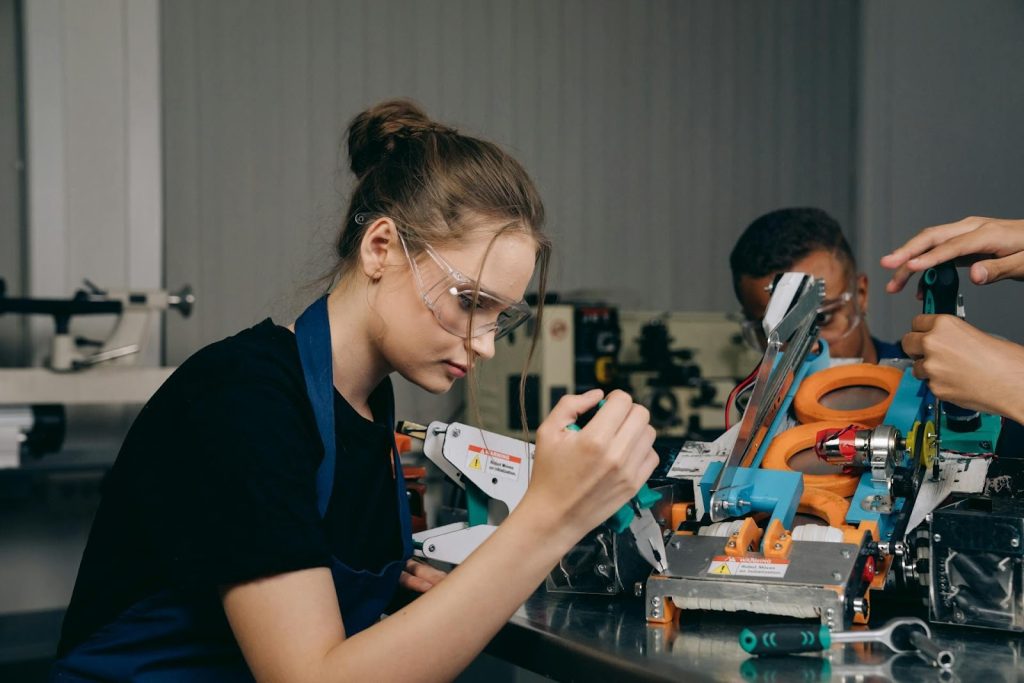
Picture a bustling street in a growing city—scooters weaving, cars honking, all powered by parts made just a few miles away. Developing nations are steering into a new lane, pouring cash and grit into local car part production. It’s not just about keeping wheels turning; it’s a play for jobs, control, and a slice of the global auto pie. Where imported parts once ruled, homegrown factories are rising—sparked by a mix of need, pride, and a sharp eye on the future. This isn’t a trend; it’s a shift, reshaping economies one bolt at a time.
Let’s roll through why these nations are betting big on building their own.
Cutting the Import Cord
For years, developing nations leaned hard on foreign parts—shipped in, pricey, and often stuck in transit. Now, they’re flipping the script, firing up local lines to roll out what they need right at home. It’s not about snubbing big names—an ACDelco battery, for instance, can shine as a locally sourced gem, blending top-notch quality with the perk of being made nearby, slashing shipping lags and costs. Local isn’t a downgrade—it’s about seizing the supply chain, not groveling for it.
Think of a mechanic in a dusty town—waiting weeks for an overseas clutch once killed his workflow. Now, a factory down the road churns out that part, fast and affordable. It’s not just handy; it’s axing the middleman, keeping money local, and ensuring the gears spin without a foreign stranglehold.
Jobs That Stick
Building car parts isn’t just metal and machines—it’s people, paychecks, and pride. These nations see factories as job mills, pulling folks from fields to assembly lines, sparking skills that ripple out. It’s not a quick fix; it’s a lifeline, stitching communities into the industrial fabric.
Picture a village kid who’d have hauled crops—now he’s welding fenders, earning steady, learning a trade. Families eat better, schools get busier, and towns buzz with purpose. It’s not charity; it’s strategy—turning labor into leverage, growing a workforce that’s not just cheap but sharp, ready to compete.
Dodging Currency Drama
Imported parts come with a hitch—exchange rates that swing like a pendulum. A strong dollar or euro can jack up costs overnight, leaving budgets bruised. Local production locks that down, pegging prices to home turf, not some forex rollercoaster. It’s not about isolation; it’s about stability.
Imagine a car shop owner sweating a shipment—currency dips, and his brake pads double in price. Spin up a local plant, and that headache’s gone—costs stay steady, predictable. It’s not cutting corners; it’s cutting risk, letting businesses plan without praying the markets play nice.
Tailoring to the Terrain
Cars in developing nations don’t glide on silk—dusty roads, monsoons, and potholes chew them up. Local production lets engineers tweak parts for the real world—think tougher shocks or filters that scoff at sand. It’s not about copying imports; it’s about outsmarting them for the home crowd.
Picture a pickup rattling through a jungle track—imported bits might choke on grit, but a local-made alternator’s built to take it. It’s not generic; it’s custom, designed by folks who know the ruts and rains firsthand. That edge keeps rides rolling where off-the-shelf falters.
Building a Global Bench
Going local isn’t just self-help—it’s a ticket to the world stage. Developing nations aren’t content to assemble; they’re aiming to export, turning “made here” into a badge that competes. It’s not a pipe dream; it’s a playbook—start small, master the craft, then ship it out.
Think of a factory cranking hubs—first for local taxis, then for trade deals across borders. They’re not just feeding their own; they’re eyeing markets that crave affordable, solid parts. It’s not about undercutting; it’s about underlining—proving they can play with the big dogs, not just bark.
Green Gears in Motion
Sustainability’s creeping in too—local production trims the carbon haul of globe-trotting parts. Less shipping, less fuel, less waste—it’s a leaner footprint that nods to a planet under strain. It’s not just eco-friendly talk; it’s a benefit that aligns with the goal.
Imagine crates jetting from Asia to Africa—fuel burns, boxes stack. A nearby plant skips that, forging steel with less exhaust in the mix. It’s not the whole fix—factories still hum—but it’s a step, aligning growth with a world that’s watching emissions. Green’s not the goal; it’s the gravy.

Driving Tomorrow
Developing nations investing in car part production aren’t just fixing cars; they’re fixing futures. From jobs to stability, tailored fits to global grit, it’s a wheel that spins beyond borders. It’s not about catching up; it’s about carving out, building a base that’s theirs to own.
We’re watching a shift—where dependency dips and ingenuity climbs. These nations aren’t waiting for handouts; they’re hammering out a stake, part by part. It’s raw, real, and rolling fast—a road where local isn’t just enough; it’s everything, steering them into tomorrow.

