
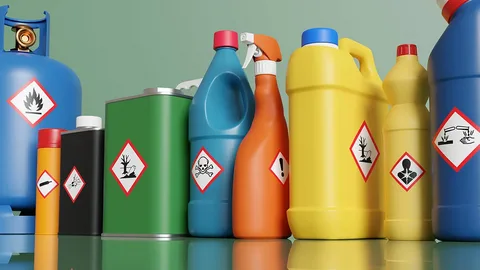
Complacency is an expensive habit, especially when chemicals enter the workplace equation. From production lines humming with solvents to office custodial closets stocked with cleaners, hazardous substances are woven into daily routines. Because they rarely erupt in dramatic fashion—no alarms, no explosions—workers and managers can lull themselves into thinking that “business as usual” equals safety.
Yet a single spill, an unlabeled drum, or an ignored safety sheet is all it takes to ignite a chain reaction of illness, regulatory fines, and lawsuits. Understanding how chemical hazards intersect with legal liability is therefore not optional; it is a core element of responsible operations.
Hidden Dangers Lurking in Plain Sight
Many chemical risks hide behind reassuring labels like “industrial strength” or “eco-friendly.” A degreaser that evaporates quickly may also emit volatile organic compounds that accumulate in poorly ventilated corners. An “all-natural” essential oil blend can trigger severe respiratory reactions among sensitive employees. Even common office supplies—toner cartridges, correction fluids, aerosol sprays—release microscopic particles that damage lungs over time.
Because these threats rarely announce themselves with immediate symptoms, unsafe exposure levels can persist for months. Employers who fail to inventory every substance, assess exposure routes, and set strict storage protocols effectively gamble with their workers’ health and their own legal standing.
Health Consequences That Outlast Paychecks
Chemical injuries do not clock out at shift’s end. Acute events—chemical burns, poisonings, eye damage—make headlines, but the quieter chronic effects often carry higher social and legal costs. Repeated low-dose exposure to formaldehyde can sensitize an employee to everyday products, limiting future job prospects. Solvent vapors may quietly erode cognitive function, curbing a worker’s career advancement and quality of life.
When these long-tail illnesses surface, plaintiffs’ attorneys frequently trace them back to lax monitoring records, incomplete training logs, or missing hazard labels. What began as a manageable safety oversight can evolve into decades of medical expenses and court judgments.
The Price Tag of Neglect
Regulatory penalties offer a blunt reminder of how much complacency costs. Fines for improper labeling, inadequate ventilation, or missing Safety Data Sheets can climb into six-figure territory—per violation. Add the expense of emergency response, production stoppages, and equipment decontamination, and a single incident can wipe out a quarter’s profit. Civil litigation magnifies the damage: juries award multimillion-dollar settlements when evidence shows management ignored known hazards.
Shareholders react to negative press, insurance premiums spike, and recruitment efforts stall as the company earns a reputation for unsafe practices. In short, the financial fallout of chemical negligence eclipses any savings gained from cutting corners on safety measures.
Building a Proactive Defense
Mitigating chemical risks starts with executive ownership. Leadership must allocate budget for thorough hazard assessments, invest in engineering controls such as fume hoods and closed-loop transfer systems, and empower safety officers to halt operations when standards are breached. Transparent employee training—delivered in multiple languages and refreshed regularly—cements a culture where every worker recognizes and reports danger signals.
Critically, labeling and documentation cannot be a box-ticking exercise; they must align with the OSHA Hazard Communication Standard, which demands clear, universally understood symbols and accessible safety information. When these elements converge, organizations transform safety from a regulatory obligation into a competitive advantage that reassures clients, insurers, and employees alike.
Conclusion
Chemical hazards may be invisible, but the liabilities they spawn are painfully tangible. Companies that view compliance as a living, evolving practice—rather than a dusty binder on a shelf—shield their people and their balance sheets from avoidable harm.
The cost of complacency is steep, but the payoff for vigilance is measured in healthy workers, uninterrupted production, and the confidence that comes from knowing you have met not only the letter but also the spirit of the law.

