
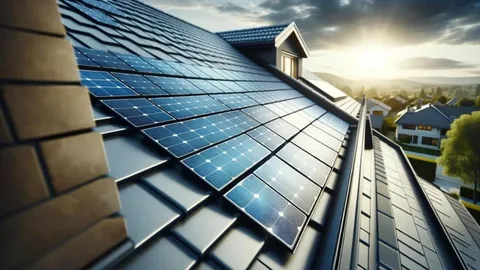
Roofs have always been the home’s first line of defense, but over the last decade, they have also become miniature command centers. Smart roofing systems—those equipped with sensors, solar-ready integrations, self-diagnosing membranes, and app-controlled vents—promise to reduce energy bills, prevent leaks before they start, and even boost resale value.
Yet the technology is still young, and many homeowners wonder whether the benefits justify the added complexity and cost. Below, we break the decision into four clear considerations so you can decide if a smart roof is more than just a shiny gadget on top of your house.
What Exactly Makes a Roof “Smart”?
A roof only earns the “smart” label when it pairs traditional materials—shingles, tiles, or membranes—with connected hardware. Embedded humidity sensors track moisture intrusion in real time, thermal probes watch for hot spots that hint at insulation gaps, and micro-inverters convert solar energy panel-by-panel to maximize harvest on cloudy days.
Some systems even include motorized ridge vents that open automatically when attic heat spikes, improving airflow without you lifting a finger. All of this data funnels into a smartphone dashboard, alerting you when maintenance is due or when a storm has caused damage. In short, smart roofs turn a passive structure into an active, self-reporting asset.
Upfront Price vs. Lifetime Savings
There’s no way around it: smart roofing components can raise installation costs by 15–30 percent compared with a conventional re-roof. Wireless gateways, sensor arrays, and integration labor all add up. However, supporters argue that these extras pay for themselves within five to eight years. Real-time leak detection helps you patch minor punctures before they soak insulation and drywall, saving thousands in water damage.
Automated ventilation trims cooling bills in humid summers, while granular solar monitoring squeezes every watt from your panels. If you live in an area with high energy prices or frequent storms, the return on investment accelerates. But if you plan to move within a few years, the payback horizon may extend beyond your ownership window.
Comfort, Safety, and Environmental Impact
Beyond dollars, a smart roof can make your home quieter, healthier, and greener. Sensors that flag trapped moisture help prevent mold growth in attic spaces, protecting indoor air quality. Temperature-balanced shingles reduce thermal cycling, which lengthens roof life and keeps upstairs bedrooms cooler in July. Some systems integrate with whole-home fire monitoring, sounding alerts if embers land on the roof deck during wildfires.
On the sustainability front, predictive algorithms time ventilation fans and de-icing cables to moments of peak efficiency, cutting unnecessary energy use. Collectively, these perks improve day-to-day living while lowering the home’s carbon footprint—a selling point for environmentally conscious buyers.
Choosing and Maintaining Your Smart Roof
Because standards are still evolving, product compatibility is the biggest hurdle. Before signing a contract, confirm that the sensors, solar hardware, and control apps all speak the same protocol (Z-Wave, Wi-Fi, or proprietary mesh) to avoid future orphaned components. Also, scrutinize warranty language: some manufacturers void coverage if third-party gadgets penetrate the membrane.
Once installed, maintenance is surprisingly light—software updates arrive over the air, and battery-free sensors harvest their own power from ambient light. Still, schedule an annual inspection to verify that sealants, flashings, and data cables remain intact. If you ever need troubleshooting beyond basic upkeep, a reputable residential roof repair service can integrate new sensors or replace damaged modules without voiding warranties.
Conclusion
Deciding whether to invest in a smart roofing system comes down to your budget, your timeline in the home, and how much you value prevention over reaction. For tech-savvy homeowners who plan to stay put and who like the idea of their roof texting them before a leak develops, the premium can pay dividends in savings, comfort, and peace of mind.
For others whose priorities lie elsewhere, traditional high-quality materials and periodic inspections may suffice. Either way, understanding the capabilities and caveats of smart roofing ensures that the decision you nail down today won’t leave you under the weather tomorrow.

