
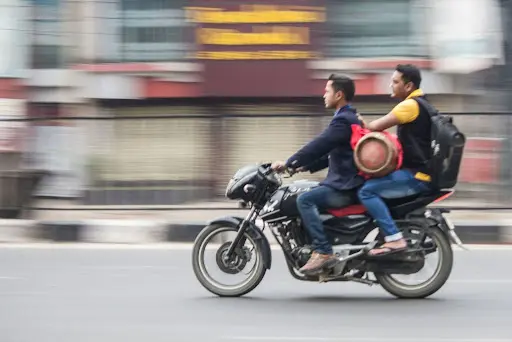
Small businesses power much of Bangladesh’s economy, from the food vendors in village markets to the delivery riders struggling through the traffic of Dhaka. These are the enterprises that keep everyday life moving, often built with limited resources but driven by big ambitions. For many of them, the biggest challenge isn’t just starting up, it’s staying mobile.
Reliable transportation can make the difference between reaching more customers or missing an opportunity altogether. That’s why the growing availability of low price bikes in Bangladesh has become a vital tool for entrepreneurs and small-scale operators.
Among the most impactful contributors to this shift is Bajaj, whose accessible pricing and durable builds have helped countless individuals kickstart and sustain their business journeys.
Whether it’s a teacher commuting to a rural school, a grocery vendor doing daily deliveries, or a freelancer managing clients across districts, affordable bikes are changing the game. Bajaj bikes offer flexibility, control, and above all, the ability to grow beyond local limits.
Affordable Mobility: A Catalyst for Economic Growth
For small business owners, transportation is not just about moving from point A to B; it’s about accessing markets, delivering products, and providing services promptly. Value-for-money motorcycles offer a practical solution, reducing dependency on public transport and allowing for greater control over logistics. This autonomy is crucial for businesses aiming to scale operations and improve customer satisfaction.
Bajaj has established itself as a prominent player in Bangladesh’s motorcycle industry by offering a range of cost-effective models. The company’s focus on durability and fuel efficiency aligns well with the needs of small business operators who require reliable transportation without incurring high operational costs. According to industry insights, Bajaj’s strategic pricing has made motorcycles accessible to a broader demographic, fostering economic inclusivity.
Empowering Rural Entrepreneurs
In rural areas, where infrastructure can be challenging, low price Bajaj bikes in Bangladesh have become essential tools for entrepreneurs. They enable farmers to transport produce to markets, artisans to deliver goods, and service providers to reach clients in remote locations. This increased mobility, powered by Bajaj, not only boosts individual incomes but also stimulates local economies.
The government’s support for local motorcycle manufacturing, through policies like the Motorcycle Industry Development Policy, has further enhanced the affordability and availability of motorcycles. By reducing import duties and encouraging local assembly, the policy has made motorcycles more accessible to small business owners across the country.
Understanding the Urban Impact: Congestion and Expanding Opportunities

In urban centres like Dhaka and Chattogram, traffic congestion is a significant challenge for small businesses. Bajaj motorcycles offer a nimble and efficient mode of transportation, allowing entrepreneurs to navigate crowded streets and make timely deliveries. This efficiency is particularly beneficial for businesses involved in e-commerce, food delivery and courier services.
The rise of ride-sharing services has also created new income opportunities for individuals with motorcycles. By participating in these platforms, riders can generate income while providing essential transportation services to the community. This dual benefit underscores the role of affordable Bajaj motorcycles in both individual empowerment and broader economic development.
Creating Jobs Beyond the Business Owner
The impact of low price Bajaj bikes in Bangladesh extends well beyond individual entrepreneurs. As more people are able to afford their own two-wheelers, a new support economy begins to flourish- mechanics, spare parts sellers, tyre shops, mobile fuel vendors and informal roadside repair crews, all find more consistent work. These ripple effects are especially visible in smaller towns and peri-urban areas, where a single mechanic may support an entire cluster of business riders.
Affordable bike ownership also opens up part-time or full-time job opportunities for youth who want to enter ride-sharing platforms or delivery networks. For someone unable to invest in larger logistics operations, a two-wheeler becomes the stepping stone to self-employment or joining a tech-enabled gig economy. In this way, Bajaj bikes and other bikes in a similar price bracket are not just tools of transportation, but tools of employment.
Boosting Last-Mile Reach and Local Supply Chains
In many parts of Bangladesh, the biggest challenge for small businesses is not product quality or customer demand—it’s access. Local producers often struggle to connect their goods with buyers in nearby towns due to poor transport options or high delivery costs. This is where low price Bajaj bikes in Bangladesh offer a practical solution.
With the ability to cover short-to-medium distances quickly and affordably, riders can deliver goods directly to shops, customers, or marketplaces.
For example, local tailors or garment resellers can deliver made-to-order clothes to clients, farmers can distribute seasonal produce more widely, and pharmacy owners can restock quicker from wholesalers. This kind of agility not only increases earnings but also makes businesses more competitive. As more riders join this ecosystem, entire micro-supply chains begin to function more smoothly, especially in areas underserved by formal logistics networks.
Challenges?
While the benefits are substantial, it’s essential to address challenges such as road safety and environmental impact. Ensuring that riders are adequately trained and that vehicles meet emission standards is vital for sustainable growth. Moreover, infrastructure development must keep pace with the increasing number of motorcycles to prevent congestion and accidents.
The government and industry stakeholders must collaborate to implement safety regulations, promote responsible riding practices, and invest in infrastructure improvements. These measures will help maximise the positive impact of affordable motorcycles on small businesses while mitigating potential drawbacks.
Final Words
The availability of low price bikes in Bangladesh, especially from manufacturers like Bajaj, plays a pivotal role in empowering small businesses. By providing affordable, durable transportation, these motorcycles enable entrepreneurs to operate more efficiently, reach new markets, and contribute to the country’s economic development.
As Bangladesh continues to grow, supporting accessible mobility solutions will be key to sustaining this positive trajectory.
Hoping to find a ride that matches your daily needs as well? Reach out to Bajaj Auto!
FAQs
- How do affordable bikes benefit small businesses in Bangladesh?
Affordable bikes provide cost-effective transportation, enabling quicker deliveries and broader market access, which is essential for business growth. - Why are Bajaj bikes popular among entrepreneurs in Bangladesh?
Bajaj offers durable and fuel-efficient models at competitive prices, making them ideal for daily business operations. - What challenges do small business owners face with motorcycle transportation?
Challenges small business owners often face include maintenance costs, road safety concerns, and navigating through congested urban areas. - How does motorcycle affordability impact the broader economy?
It stimulates economic activity by enabling more individuals to start businesses, leading to job creation and increased commerce.

