
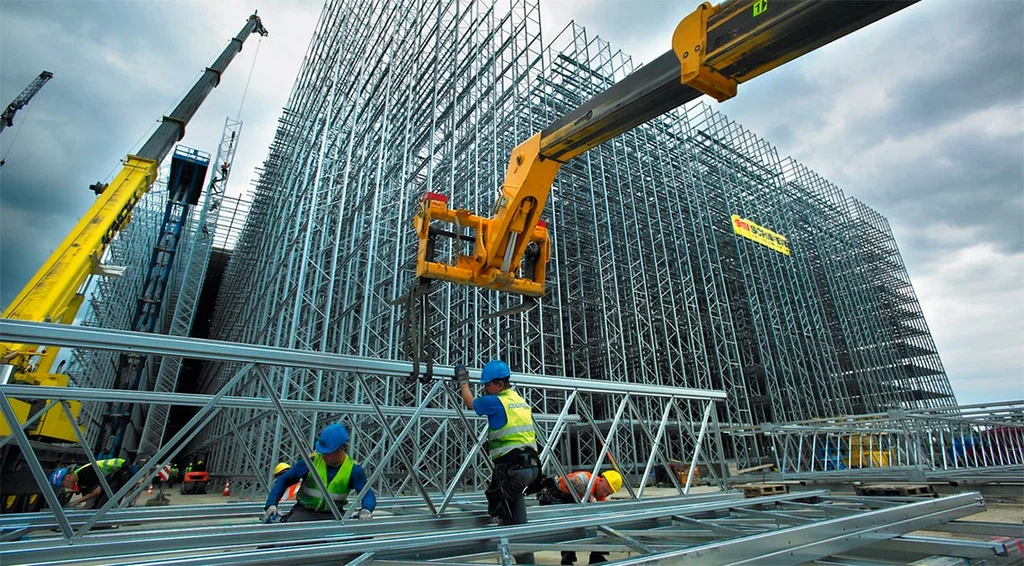
Walk onto any big jobsite and you’ll still see mud, scaffolding, and folks hollering measurements across the din. What’s new is the quiet glow of LEDs on wrists, helmets, and safety vests. These connected gadgets—smart wearables—have begun to change the workday in ways that feel less Silicon Valley and more common sense.
Crews who once trusted only their eyes and radios now lean on sensors that watch over health, timing, and gear. And the best part? Most of the learning curve fits into a single coffee break.
Safety Gear That Talks Back
Slip a lightweight patch into a hard hat and it becomes a lookout no human can match. The patch tracks vertical drops and sudden jolts; if it registers both, it pings a supervisor’s phone before a coworker has shouted for help. Add a small thermometer in the vest lining and crews get warnings when the midday sun pushes core temperatures toward trouble. For sites with fire hazards, early alerts can be a lifesaver, giving teams time to react before flames spread. Companies like The Fast Fire Watch Company Baltimore specialize in integrating such technology to protect workers from both accidents and fire risks.
Nobody likes being micromanaged, but everyone likes going home without bruises. After three months on one bridge retrofit, near-miss incidents fell by a third, and the only change was a handful of fifty-dollar sensors.
Less Guesswork, More Getting Things Done
Carpenters once spent half the morning pacing back to the trailer to read a paper plan that flapped in the wind. Now augmented-reality glasses pin that drawing to the stud right where it belongs, freeing both hands for the nail gun. Electricians tap the side of a smart glove to snap a photo of a finished junction box, automatically tagging the location for inspection.
Waiting on paperwork feels ancient when the plans float right in your line of sight today. Multiply that small convenience by forty workers over a sixteen-hour pour and you start shaving days, not minutes, from the schedule—without asking anyone to walk faster or skip breaks.
Data That Finally Earns Its Keep
Everyone in construction collects reports; few know what to do with them. Wearables translate raw numbers into stories that even the busiest site superintendent will read. If motion trackers show one crew walking in circles to fetch rebar, the material handler moves the stockpile tomorrow.
If vibration data from a compressor spikes, maintenance swaps a belt before concrete day. Over six projects, one regional contractor attributed a five-percent drop in overtime to nothing flashier than charts pulled from helmet sensors. That kind of savings keeps pencils sharp when the next bid packet lands.
Turning Skeptics into Believers
Old-school hands raise an eyebrow at anything with a battery, so rollout plans lean on rugged proof. Gear must survive rain, dust, and the occasional ten-foot tumble onto construction mats without quitting. Training sessions focus on how the tech protects paychecks and backs, not how it sells data to an office miles away.
Foremen share weekly dashboards in plain language—no one cares about kilobytes, but everyone cares about the extra hour gained on Friday. When workers see gadgets catching hazards and trimming hassle, resistance fades and the new kit feels as normal as steel-toe boots.
Conclusion
Smart wearables aren’t a gimmick set to fade with the next software update; they are practical, job-tested tools. When safety improves and schedules tighten at the same time, even the skeptics reach for the charger.

